Skip to patent claims
EARTH & SPACE / PROGRAM ATLAS

The ZENIT Program / Claims

Patent Claims

Which ZENIT ideas have a technical description, and which have claim wording published by a patent office?

Reviewed 19 November 2026

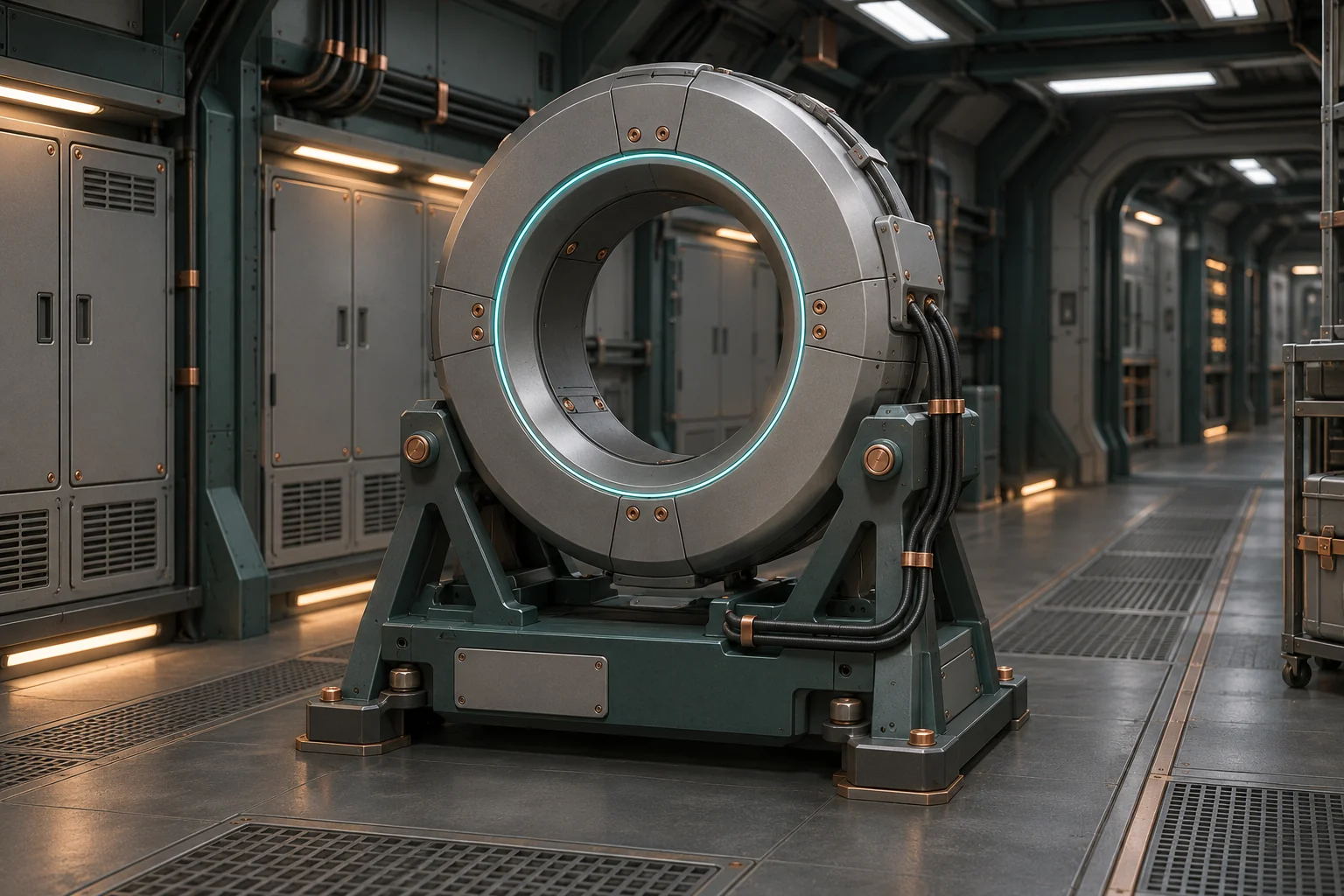
ZENIT’s ring-shaped Central Magnetic Core concept on its service cradle

Patent office records

Published ZENIT claims

No published application or grant containing claims attributable to ZENIT was verified in this review.

The Norwegian register was checked by applicant and application number. Publicly indexed records were also checked for the founder and program names. An application can exist before its documents are public. A patent claim’s legal scope depends on its wording in the relevant patent document.

Founder’s working papersDraft claim numbers, plain-English interpretations and patent-office correspondenceOwner access

Sign in with the site owner account to read the working papers.

Technical ideas in the public record

These summaries identify the particular feature ZENIT describes. Each links to the public design or study that supports it. Patentability and legal ownership would require a separate examination.

Founder’s design

Central Magnetic Core

Fredrik Sommerseth Olsen identified the CMC as his contribution. It gives distributed field controllers a common magnetic and timing reference. In the published witness study, independent readings check that reference and disagreement can put a request on hold.

The study tested advisory logic on simulated inputs. Physical independence of the reference channels still requires measurement.

Earth · Vehicle design

ZC-1 exhaust-water recovery

The car concept combines hydrogen combustion with SERAT-EVR-1 vapour management. Fredrik’s design decision calls for partial water recovery and avoiding liquid discharge onto the road. The recovery fraction and water quality still need measurement.

Earlier publication. EP 3 025 891 A1, published 1 June 2016, already described condensing engine exhaust water in a hydrogen vehicle and collecting it for an onboard hydrogen generator. That earlier use matters when assessing any narrower ZC-1 arrangement.

Earth · Aircraft design

ZA-1 exhaust-heat anti-icing

SERAT-DTAI-A1 transfers heat across nacelle exchangers to two physically separate, closed fluid loops. Regulated branches carry it to inlet, wing and tail zones. The published aircraft study leaves fluid selection and physical qualification open.

Earlier publication. EP 2 423 106 A2, published 29 February 2012, described pumping recovered engine heat to aircraft equipment and identified a wing anti-ice exchanger. A comparison would need to examine the precise features of the two circuits.

Earth · Energy

SERAT Heat-Service and HeatPod

The heat-service study matches a source to a customer’s heat demand and accounts for electricity, stored heat, losses and unmet demand. Loss of demand leaves a separate heat-rejection or power-reduction path. HeatPod is the proposed equipment for delivering that service.

Earth and Space · Control

Joint power and thermal reserve

The scheduler tests electrical power, stored energy and cooling capacity together before admitting an optional load. In the published simulation, excess heat ruled out a load that the electrical supply alone could support.

Space · Inspection

Diagnostic hull panel

The panel study combines strain readings corrected for temperature with acoustic arrival times to locate a possible inspection area. In the offline trials, deliberately biased timing left the result uncertain. A physical panel still needs calibration and independent inspection.

Where Airos and Frequency Travel stand

Airos records a founder’s choice of hydrogen combustion with a generator supplying SERAT. The project materials reviewed leave the installed engine and separate generator rating open. Airos evidence record

Frequency Travel proposes coupling a vessel to an external space current. The studies describe the hypothesis and limited model results. A working transit mechanism remains unverified. Frequency Travel evidence record